How do hormonal changes throughout the menstrual cycle affect a woman’s appetite, energy levels and nutritional needs?
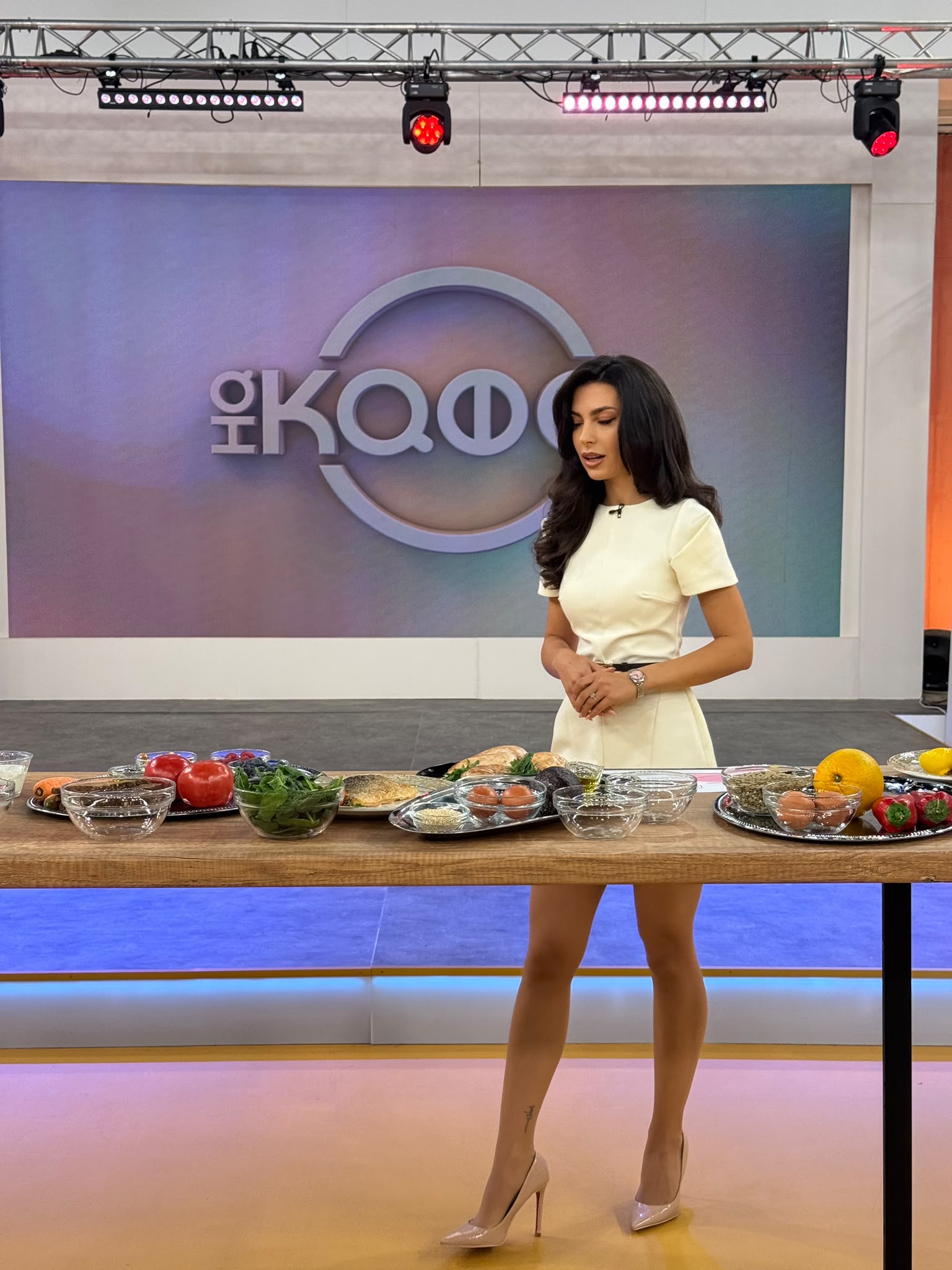
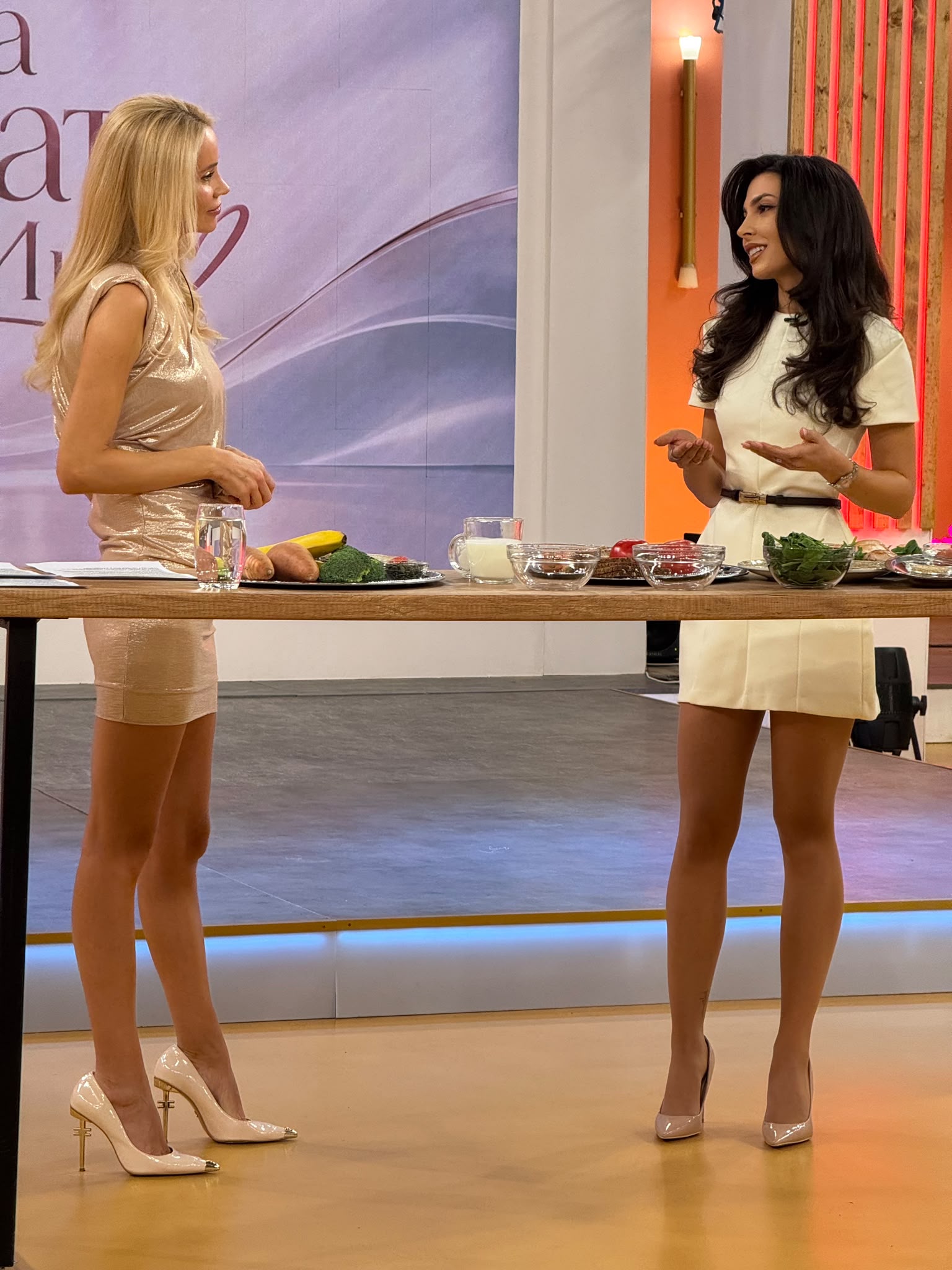
What happens to a woman’s body during the different phases of the menstrual cycle, and can we adapt our diet and physical activity to these changes? This was the topic of nutritionist Derya Hüseyin’s appearance on the programme „The Path to Beauty with Ina“, broadcast on 6 November 2026.
On the programme, Derya explained the link between hormonal changes, diet, energy requirements, exercise and recovery throughout the menstrual cycle.
Watch the full conversation on the programme „The Path to Beauty with Ina“.
The menstrual cycle is associated with dynamic hormonal changes that can affect appetite, energy levels, mood and physical performance.
During her presentation, Derya examined the four main phases of the cycle and presented examples of food combinations that illustrate how to put together wholesome and balanced meals.
Menstrual phase – focusing on recovery and iron levels
Menstruation is a period during which the body loses blood and, consequently, iron. It is particularly important for women with heavy menstrual bleeding to monitor their iron status. Combining plant-based sources of iron, such as lentils and pulses, with sources of vitamin C can help improve iron absorption.
Follicular phase – variety and sufficient energy
As oestrogen levels gradually rise, some women notice a change in their energy levels and appetite. A balanced diet containing sufficient protein, whole grains, vegetables and healthy fats remains the foundation for good health and physical activity.
Ovulation – support for activity and recovery
Ovulation is associated with characteristic hormonal changes. For physically active women, it is particularly important to ensure an adequate energy intake in relation to their training workload. A prolonged energy deficit can have an adverse effect on menstrual function, bone health and recovery.
Luteal phase – appetite and premenstrual symptoms
After ovulation, progesterone levels rise, and many women experience an increased appetite, cravings for certain foods and symptoms of premenstrual syndrome (PMS). During this period, it is important not to restrict your diet unnecessarily, but to ensure you are getting enough energy, protein, fibre and complex carbohydrates.
One of the key points in this topic is the concept cycle synchronisation – adapting diet, exercise and daily routines to the phases of the menstrual cycle.
Despite its popularity, there is still no scientific evidence to support universal dietary regimens or training guidelines for each individual phase.
Individual differences are significant. Not every woman experiences the same changes in appetite, energy levels or physical capacity. It is therefore more helpful to observe our own reactions and adapt our daily routines accordingly, rather than following strict rules based solely on calendar days.
Diet, physical activity, sleep and recovery are interlinked aspects of women’s health. It is particularly important not to ignore signs such as a prolonged absence of menstruation, heavy bleeding or significant disruptions to the usual cycle.
These changes warrant attention and, where necessary, a medical assessment. A nutritional approach can be an important part of care, but it is no substitute for diagnosis and individual consultation.
Derya’s main message is clear: the female body does not need four different diets. It needs understanding, a balanced diet and a personalised approach.
If you’d like to learn more about the link between the menstrual cycle and nutrition, take a look at this specialised digital guide „Women’s Health Handbook – Nutrition and Balance in Line with the Menstrual Cycle„ on DietitianMED.
The handbook provides structured information on the four phases of the menstrual cycle, practical dietary advice, meal ideas and recipes, as well as recommendations on physical activity and managing PMS.
Get your digital guide and develop a more informed approach to nutrition and women’s health.
See the contents and price of the handbook →
This material is for information purposes only and is not a substitute for individual medical or dietary advice.